Tibet Tour
Tibet
Fly to Gongga airport from mainland China or foreign countries. Driving along the highest river in the world—Yarlong Tsangpo River for one hour to Lhasa. Upon arrival, you will be met and transferred to hotel, Independent time to rest and aclimatize to the altitude.
Lhasa- means holy land in Tibetan. Located on the northern bank of Lhasa River, a tributary of Yarlungtsanpo River, it is 3,650 meters above sea level. It is the capital city of the Tibet Autonomous Region and is a political, economic and cultural center of the region. It boasts many historical sites and scenic spots both in its urban areas and outskirts.
Jokhang Temple is situated in the old section of Lhasa, it was built in the Mid-7th century A.D. by king Songtsen Gampo. It is the most sacred Place in Tibet. Pilgrims come here to pay homage from all over Tibet. Barkhor Streets is called “the window of Tibet”. It was formed when Jokhang had been built. Today it is a big free market and a “must” for tourists. You can get a typical Tibetan souvenir here at a good price. Barkhor Streets is also an essential pilgrim route.
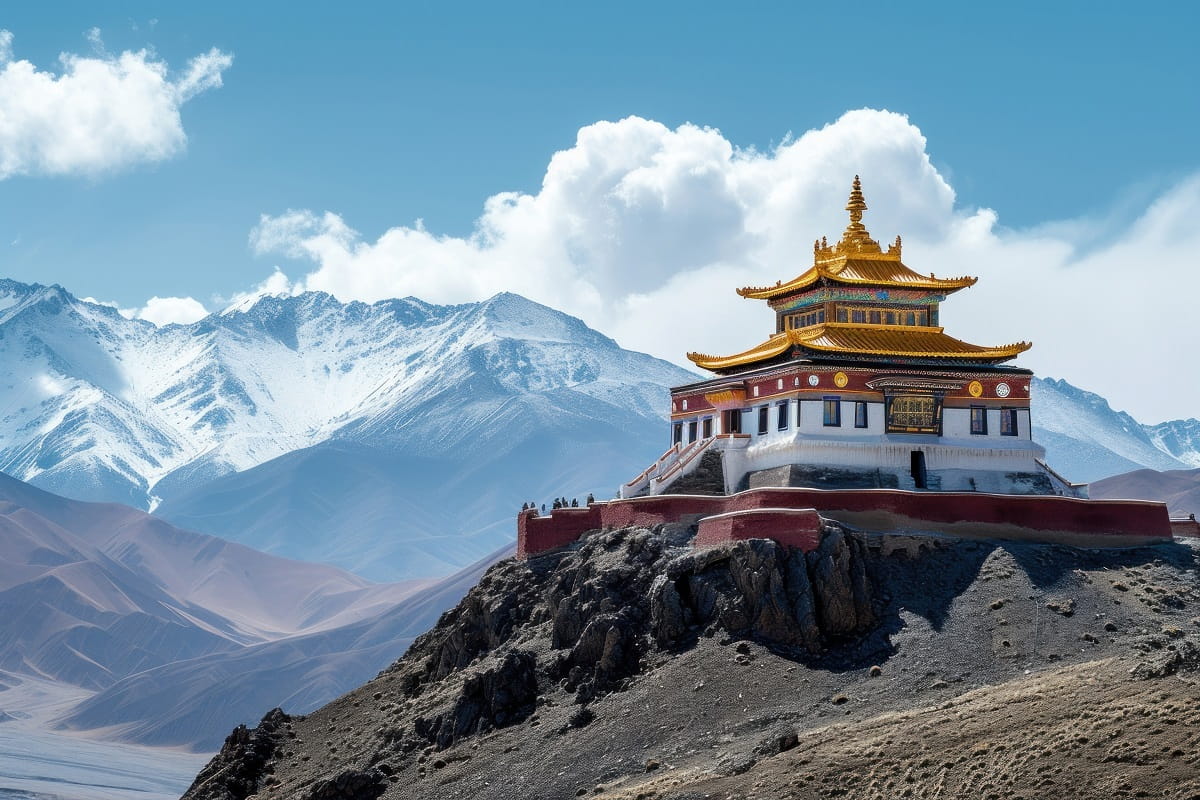
In the afternoon, drive to Sera monastery, the 15th century sprawl of golden roofs and whitewashed walls is situated on a mountain slope, few miles north of Lhasa city. This monastery belongs to the Gelugpa sect and is one of the three great monasteries of Tibet, the other two being Drepung & Ganden. The highlight of the visit to Sera would be to witness the monks debating out in the courtyard.
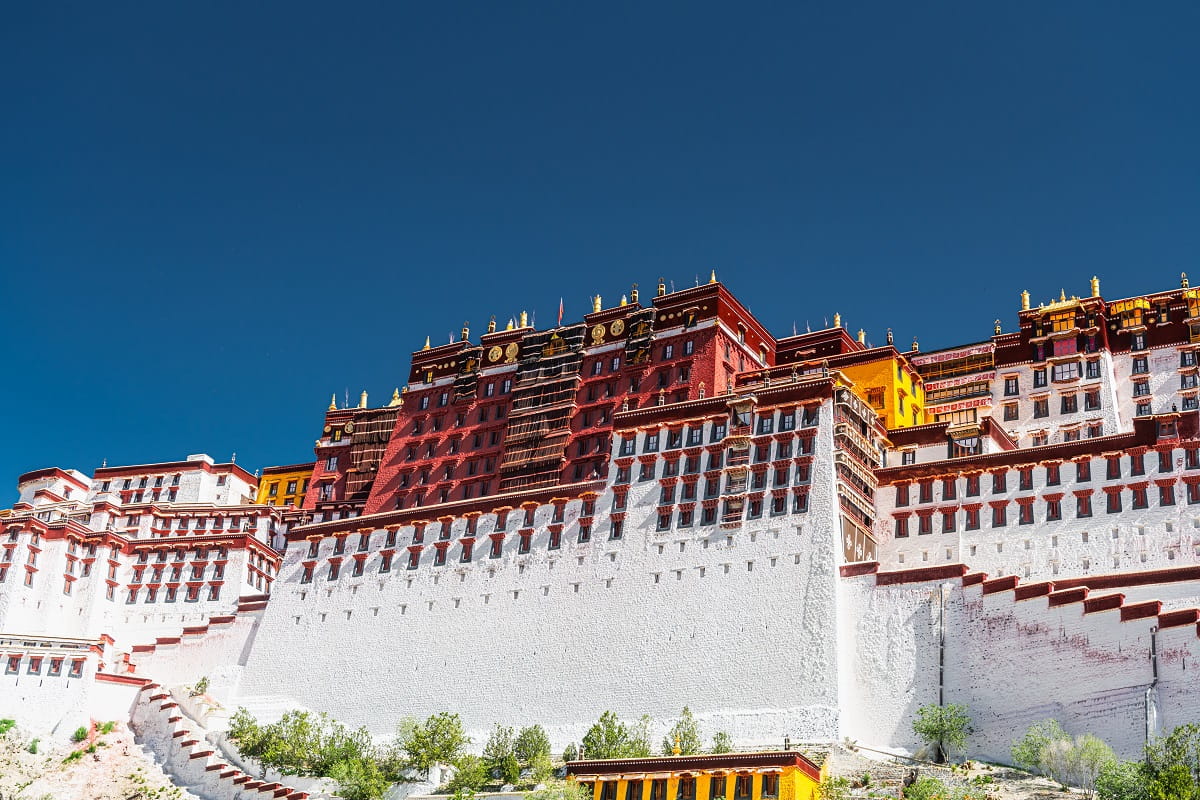
Potala Palace is the cardinal landmark and a structure of massive proportion. This symbol of Tibet, an architectural gem built in the colossal monastic style of Central Tibet by Gyelwa Ngapa, the fifth Dalai Lama, in the 17th century, stands 300m above the valley atop the hill called Marpo Ri. The thousand rooms in Potala date from 1645 when the fifth Dalai Lama began erecting a palace that would serve as a sacred and administrative center. It served many succeeding Dalai Lamas and as one of Tibet’s most impressive and enduring monuments.
Norbulingka is the summer palace of His Holiness Dalai Lama. The 8th Dalai Lama designated it as a summer retreat but the majority of the buildings were not erected until the reigns of 13th and 14th Dalai Lamas. Every year as the chill air warmed, the Dalai Lama would leave Potala in a grand procession for six months residence in the Norbulingkha. It is worth a visit and the park is a great place to be at festival times and public Holidays.
This morning after breakfast at the hotel, you leave for a day excursion to Samye monastery.
Samye Monastery is laid out on the shape of a giant mandala, with the main temple representing the legendary Mount Meru in the centre. Other buildings stand at the corners and cardinal points of the main temple, representing continents and other features of tantric Buddhist cosmology. The main temple is full of Tibetan religious art in mural and statue forms, as well as some important relics. Many Tibetan Buddhists come on pilgrimage to Samye, some taking weeks to make the journey.
This afternoon, explore the local town of Samye. Overnight at Samye Guest House
Yamdrok Tso (lake) also known as Turquoise lake is situated in the Lhoka area, covers 621 square km at elevation of 4441M and is one of the three largest lakes in Tibet. Enjoy the beautiful views of the lake; time for photo opportunity and short walk.
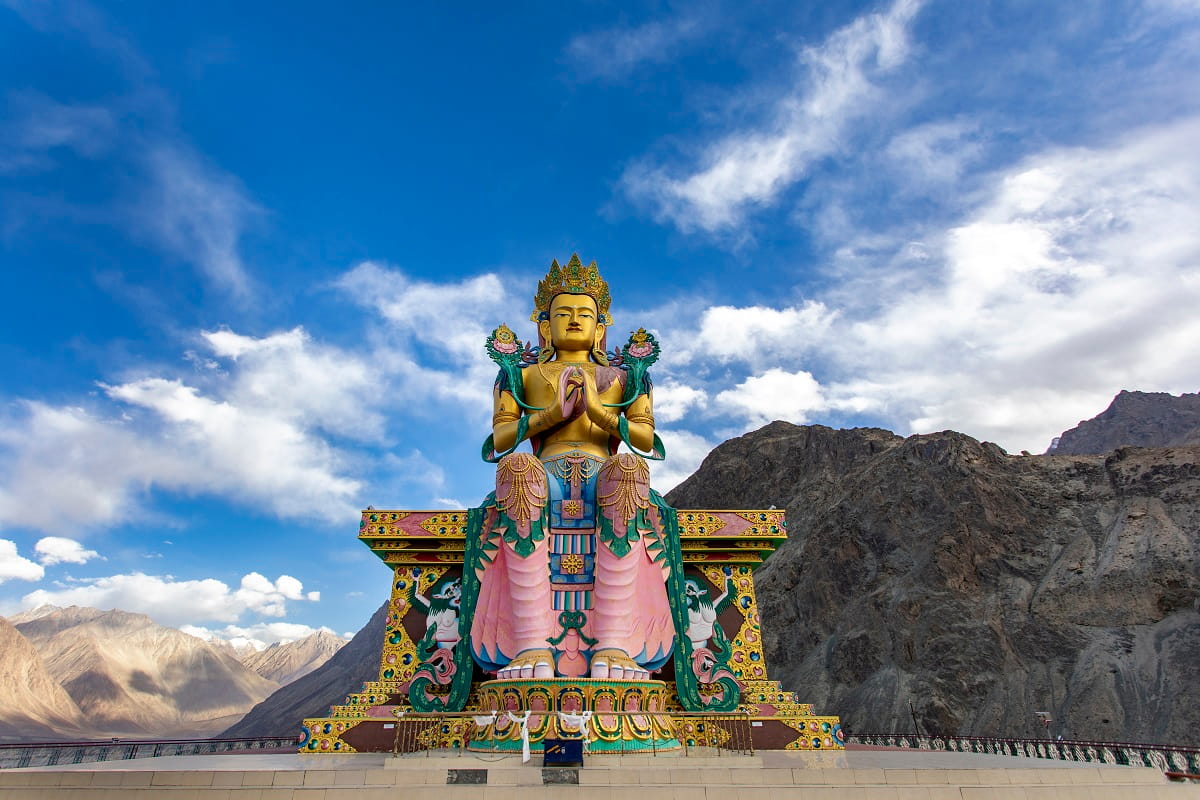
Afternoon drive 90 kms, 2 hours to Shigatse from Gyantse, an ancient city on the Plateau of which its history can be traced back to more than 500 years. With its altitude of 3800m, Shigatse covers a total area of 182000sq.km in 18 counties and is the second largest city after Lhasa. With population of 635200 under its jurisdiction, Shigatse is historically named ‘Nyangme’ which means -the lower reaches of the Nyangchu River- in Tibetan. Visit the interesting Tashilunpo Monastery, the seat of the Panchen Lamas. This is the monastery founded by Gedun Drup in 1447, who was later recognized as the first Dalai Lama. The main statue of this monastery is Maitreya Buddha, thefuture Buddha. The statue is made of 275 kilograms of gold and measures 26 meters in height.
Rongbuk monastery is the highest monastery in Tibet . Enjoy the unique view of Mt. Everest ( Mount Quomolangma ),you can have a face to face experience of Mt. Everest .
Overnight stay at Rongbuk Guesthouse .
The Sakya Monastery has a history of more than 900 years and is the leading monastery for the Sakyapa school of Tibetan Buddhism. The Monastery was constructed on a patch of earth (Sa) that was grey (kya), hence the name Sakya and it covers a total area of 14,700 square meters (about 3.6 acres). The Sakya Monastery is surrounded by ramparts which are five meters high (about 16 feet). Its main hall is over 5,700 square meters (about 1.4 acres) with 40 huge pillars supporting the roof. Early in 11th century AD, a great many religious scholars occupied the Sakya Monastery; and they left thousands of texts on Buddhism, which established the reputation of this famous monastery. A number of cultural relics and artifacts in the Sakya Monastery ensure that it is a historical and cultural museum, presenting its glittering past to all visitors. One of most significant and attractive features of the Sakya Monastery is its well-kept frescos. It is no exaggeration to say that these frescos are an aggregation of Tibetan murals. Some of them are a narrative of Buddhist legends; some depict Tibetan history; some illustrate certain big spectacles. These vivid and amazing frescos and the ambiance of the Monastery will definitely transport you back in time, creating the sensation of being personally in the scenes in the murals.
Today we will drive via Shigatse-Lhasa highway back yo Lhasa.
Namtso Lake is located in the central part of the Tibet Autonomous Region. It is the second largest lake in Tibet and the third largest saltwater lake in China.
It is the largest lake at the highest altitude in the world, with the lake surface at an altitude of 4,718 meters. The water of the lake is clear and transparent, presenting a charming blue color under the sunlight. There are vast grasslands and continuous snow-capped mountains around Namtso Lake, and the scenery is magnificent. To the south of it is the Nyenchen Tanglha Mountains, which are snow-capped all year round. The magnificence of the mountains and the softness of the lake set off each other, forming a picturesque scene.
In terms of religious culture, Namtso Lake is a famous sacred place of Tibetan Buddhism and is regarded as a holy lake by believers. Every year, a large number of believers come here to circumambulate the lake and pay homage.
In the morning drive to Tsurpu Monastery. Since 1992 the master monastery of the Karma Kagyu Sect had been presided by Urgyen Thinley Dorje the 17th Karmapa. Tsurpu was established in 1189 by Duesum Khyenpa, a pupil of Gampopa and the first Karmapa. He introduced the principle of reincarnation into Tibet. He told his disciples that he would reincarnate and pointed out the location of the second Karmapas reborn. In contrast to Yellow Caps (Gelug) the Karmapa Kagye are regarded as the Black Hat and the Karmapas the holder of this sect. Visit Tsurpu Monastery and walking on the pilgrimage way around it.
Afternoon free time to explore of Lhasa on your own.
After breakfast, your guide will pick up you from the hotel and drive to the Gonggar airport of Lhasa to take flight to next destination.